



Log in to shop online, track orders, and earn cashback through Takeout Goods Rewards.
LoginLoginDon't have an account? Register here
Login or Register to earn 5% cashback when you shop
Learn moreFor approved business customers ordering in bulk through our separate portal.
Go to PortalGo to PortalWant to find out more information? Click here
An order lands on the app. Fifteen minutes later, a rider is at the door. In that window, packaging does more work than almost anything else in the transaction: it’s the only thing standing between a hot, intact meal and a soggy box, a spilled sauce, or a one-star review. For quick service counters and ghost kitchens running several virtual brands off one prep line, packaging isn’t an afterthought tucked behind the till anymore – it’s the last handshake with a customer who never sets foot in the building.
Ghost kitchens barely existed a decade ago in any real volume, and quick service counters rarely thought past the till roll. Now delivery apps route a meaningful share of orders, and a single kitchen can be firing tickets for four or five brands at once, each with its own promise to keep.
Every box, cup, and bag leaving the pass is doing double duty: holding the food together for a twenty-minute ride, and telling the customer which brand it came from when there’s no storefront, sign, or server to do that job for you.
Packaging is no longer just a container. It’s a temperature buffer, a leak stopper, a brand signal, and sometimes the difference between a repeat order and a refund request.
The operators pulling ahead are the ones who can run multiple formats and brands off one packaging system, without slowing down the line or compromising on how the food actually arrives.
Speed used to be the whole game. Today you’re also managing:
One order is a burger and fries needing grease resistance and steam venting. The next is a noodle bowl that can’t tip over in a delivery bag. Then it’s a smoothie that needs a tamper-evident seal, followed by a catering order for twenty.
It’s a lot to manage in a kitchen built for speed, not packaging logistics. But operators who treat packaging as part of the menu, not an afterthought, can:
The cost of getting it wrong? Cold food, leaked bags, a one-star review, and a customer who orders from someone else next time. That’s why we design packaging that keeps pace with a kitchen that never really closes.
At Takeout Goods, we treat quick service and ghost kitchen packaging as one system built around your pass, not a stack of separate boxes and cups picked off a shelf. That means looking at every touchpoint from the kitchen line to the customer’s doorstep.
We build formats that hold up under real kitchen pressure, not just in a sample pack:
This is where a lot of kitchens lose money, mixing containers from one supplier, bags from another, and labels from a third. That’s how you end up with mismatched branding and boxes that don’t fit the bag. When it’s engineered as one system, you get consistency, speed, and a brand presence that holds up no matter which app the order came through.
Read more about our bespoke custom, and branded solutions processes.
No two menus travel the same way. And neither should the packaging. Over the years, we’ve seen operators lose repeat customers simply because the box didn’t match the meal’s journey.
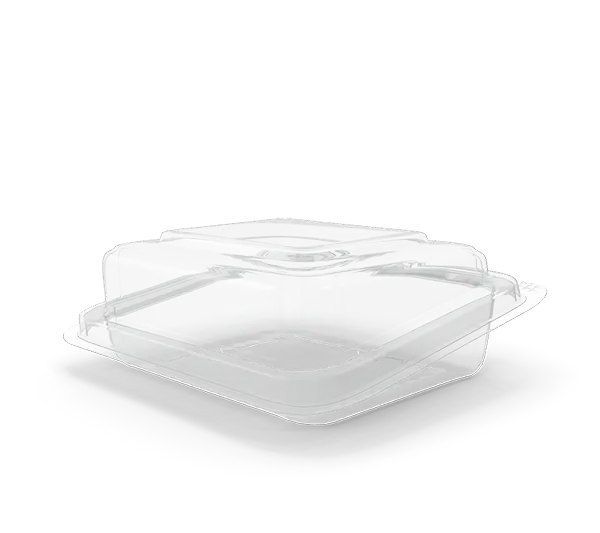
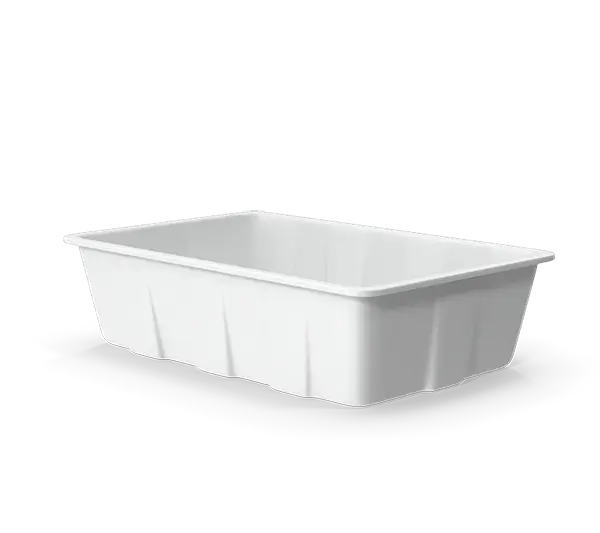
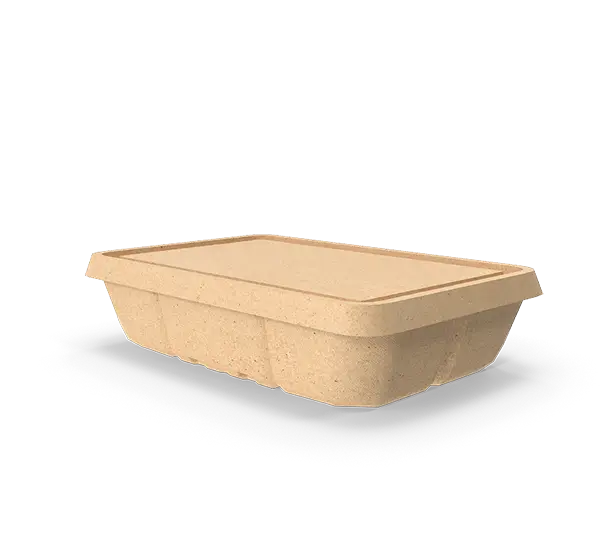
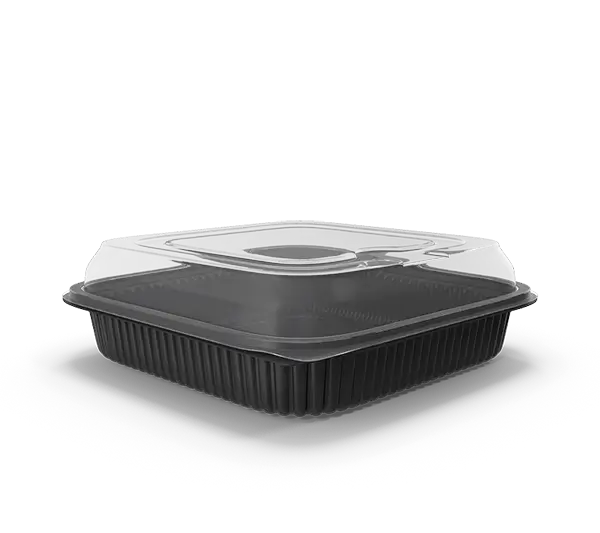
That’s why format range, paired with functional precision, is at the heart of our work. Clamshells, cups, wraps, bowls, bags, and trays, each engineered for the realities of delivery and takeout. But more importantly, we build them around your menu, your kitchen’s pace, and how your orders actually leave the building.
Burgers and sandwiches live or die on steam control. Too sealed and the bun goes soft, too open and the food goes cold. We build clamshells and wraps that vent just enough to keep everything crisp, warm, and intact by the time it reaches the door.
Bowls are the trickiest item on a delivery bike. Sauce needs to stay off the lid, rice needs to stay off the bag, and nothing can tip during a sharp turn. We design leak-proof bowls with secure, snap-fit lids built to survive the ride.
Fries and fried snacks go soft fast in a sealed box. Our vented containers let steam escape without letting the heat out, so food arrives closer to how it left the fryer.
Coffee, smoothies, and cold drinks each need a different seal. We build cups and lids with secure, spill-resistant closures that survive a bike basket or a delivery bag without leaking through the rest of the order.
Cold food needs to stay cold and crisp, not wilted and watery. Our formats separate dressing from greens and keep cold items sealed tight until the lid comes off at the table.
Pop-up catering orders and office lunches need packaging that holds up in bulk. We design stackable, easy-to-transport trays and multi-portion containers built for orders far bigger than a single meal.
No matter the menu, the goal stays the same: formats that pack fast, travel well, and arrive looking like they just left the kitchen. The right match between meal and format is often the difference between a repeat customer and a refund.
Delivery is rarely predictable. Traffic can hold up a rider. An app can reroute an order mid-trip. A rush can hit without warning. That’s why quick service and ghost kitchen packaging needs to hold up through the unpredictable, not just the ideal case.
We build packaging to keep pace with a kitchen that can’t slow down:
This means you can run a busy shift with confidence, knowing the packaging will keep up with the pace, however unpredictable it gets.
Packaging for food service is a high-stakes job, and compliance is the part customers never see but always trust. One failed inspection and the cost isn’t just financial, it’s reputational. That’s why we design packaging that clears the bar before it ever reaches your kitchen.
We design for compliance from the start:
Compliance isn’t just paperwork, it’s trust. Your customers and inspectors should be able to count on your packaging being ready for every check, every shift.
The quick service and ghost kitchen world moves fast, but it’s won locally, one shift, one order at a time.
A format that suits one brand’s flagship store may not suit a five-brand ghost kitchen running out of a single unit. That’s why we design around how you actually operate. Our manufacturing network spans Australia, China, Thailand, and the United States of America, with Takeout Goods Packaging focused on serving operators across Africa and beyond.
Wherever your kitchen is, we keep pace with it.
Sustainability isn’t optional anymore – it’s what customers and cities expect. Our goal is to help operators meet real sustainability requirements without slowing down service.
This means that:
Sustainability doesn’t have to slow down a busy shift. Built into the format from the start, it becomes one less thing to manage, and one more reason customers trust your brand.
Packaging has become the storefront for kitchens that don’t have one. As delivery volume grows and more brands run out of shared kitchens, the operators who succeed will be the ones who treat packaging as part of the menu, not a cost to cut.
In today’s market, packaging is your advantage. For quick service counters, ghost kitchens, and multi-brand operators, it can either slow you down or help you scale.
At Takeout Goods, we design for speed, compliance, and scale. We partner with you for the long haul, solving problems before they hit your bottom line, so every order arrives looking like it just left the kitchen.
The next order is already on its way. Your packaging should be ready before it is.
This blog reflects the views and interpretations of Takeout Goods Packaging, intended to support decisions regarding quick service and ghost kitchen packaging procurement. It does not constitute legal or regulatory advice.
